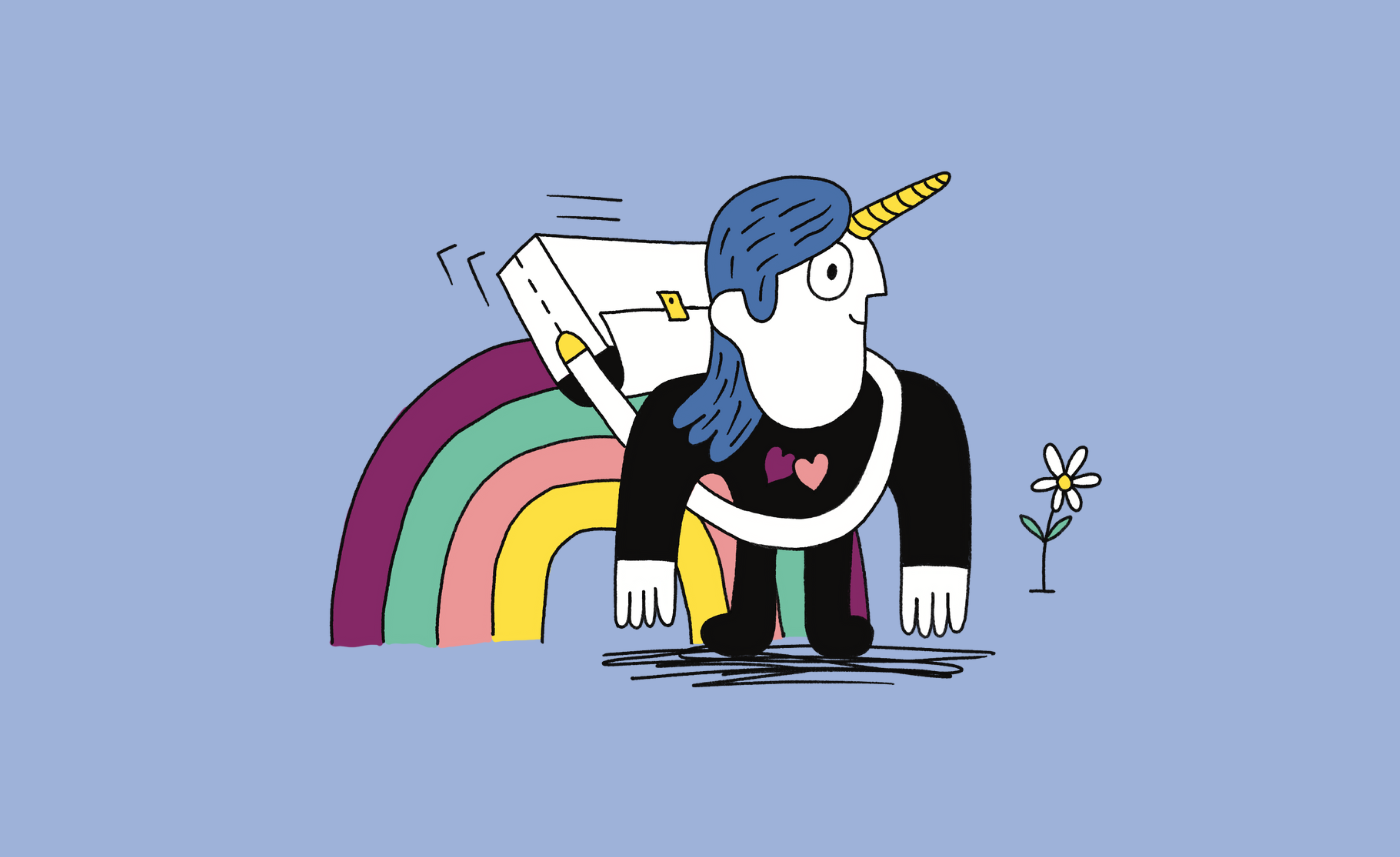

Discovering that you’re different from what society considers “the norm” can bring its own set of emotions. When you don’t feel free to be yourself, or don’t have the support around you to get you through this period of questioning, it can take its toll on your mental health. But the opposite is also true: when you’re surrounded, listened to and respected in your journey, it can make all the difference. Issues of sexual orientation and gender diversity are part and parcel of many people’s lives. The more we talk about it, the more we create an inclusive environment, and the better it is for everyone’s mental health.
What is gender identity and expression?
Gender identity represents the sense of being male, female, both, neither, nor somewhere else on the gender spectrum, despite one’s biological sex at birth. Gender binarity is based on social constructs and determines gender identities strictly by the individual’s physiology (male or female). For a long time, this concept was perceived as the norm.
Gender expression is the way in which people express their gender according to their interests, whether through clothing, hairstyle, or body language. It also includes name changes and the use of pronouns to identify oneself.
The ways in which people express their gender identity are varied and continue to evolve. The following are the most common:
- Cisgender: someone who has a gender identity and expression that corresponds to the sex at birth.
- Agender: the person does not identify with any gender. They may feel neutral, genderless or indifferent to the concept of gender.
- Non-binary: the person define herself outside the exclusive gender of man or woman. She can experience a combination of genders and fluidity.
- Androgynous: someone who expresses a gender that does not correspond to the binary gender, or is somewhere between male and female.
- Two-spirited: someone who lives with both a feminine and a masculine spirit in their body. This is often used in some indigenous cultures to describe themselves.
- Fluid: the gender identity and expression vary over time according to personal choices.
- Queer: someone who describes themselves as neither male nor female, both, or a mixture of the two
- Transgender: aperson’s gender identity is different from their sex at birth.
All these elements are considered fluid because they can change over time. Like many things in life, your personality can evolve according to your age and experience, and so can your sexual orientation, gender identity and gender expression.
What is sexual orientation?
Sexual orientation is defined by the sexual and emotional attraction felt by one person towards another. Sexual orientation may or may not be the same as love orientation. Here are the definitions of the most common sexual orientations to help you find your way around.
- Asexual: someone who feels little or no sexual attraction to others.
- Bisexual: someone who is attracted to people who identify as men or women.
- Pansexual: someone who is attracted to anyone, regardless of gender.
- Heterosexual: someone who is attracted to people of the opposite gender.
- Homosexual: someone who is attracted to people of the same gender.
LGBTQ, LGBTQIA+, LGBTQIA2S+ or QUEER?
The acronym LGBTQ appeared in the 90s to represent lesbian (L), gay (G), bisexual (B) and transgender (T) people. The + symbol was added to identify other sexual orientations and gender identities outside the binary schema (woman/man, homosexual/heterosexual). These terms often evolve. Today, it can sometimes be read as LGBTQIA+ or LGBTQIA2S+ to include queer (Q), intersex (I), asexual (A), “two spirit” or “two-spirited” (2S) people. The letter Q can also identify people with questions.
The term queer, meanwhile, can be used to represent gender identity, but also sexual orientation and gender expression. Queer people express themselves outside heteronormative labels, and don’t want to be pigeonholed.
Surround yourself with the right people!
Although normal, asking yourself questions about your sexual orientation and identity can influence your mental health at times. There are many resources available to help you think through these issues, and it’s also important to surround yourself with people who support and accept you as you are. Here are a few guidelines to help you recognize them:
- You feel they’re open-minded and you can confide in them in complete safety.
- They learn about what you’re going through, so they know the facts about sexual orientation, gender identity and gender expression.
- They’re compassionate and don’t pressure you to think it through.
- They avoid judging, labelling, or jumping to conclusions.
Also, meeting other people who are going through the same issues, or just knowing that you’re not alone, can really help you get through this period. To foster this inclusion, you can join or create an Gender, Identity et Sexuality Alliances (GISA): a student committee that aims to promote sexual and gender diversity in educational environments. This is a safe space for all members of the LGBTQ+ community, regardless of their sexual orientation and gender identity. Find out if such a committee exists at your school!
Here’s also a list of Instagram accounts to follow where you can recognize yourself, get inspired and learn about LGBTQ+ realities:
Services at your institution?
If you’re looking for professional help, most cegeps and universities offer a variety of support services for their students. Take a look at this page to find out what’s available at your institution.
Reference

Tel-Jeunes. (2023) Orientations sexuelles et les identités de genre
Université Laval. Sexual and gender diversity
Jeunesse j’écoute. (2023) 2SLGBTQ+ : Qu’est-ce que cela signifie?
Interligne.co – Votre espace pour LGBTQ+
Credit
Illustration : Mario Fontaine
Contribution to the article :
- France Landry, psychologist
- Isabelle Queval, psychologist
Did you find this content useful?